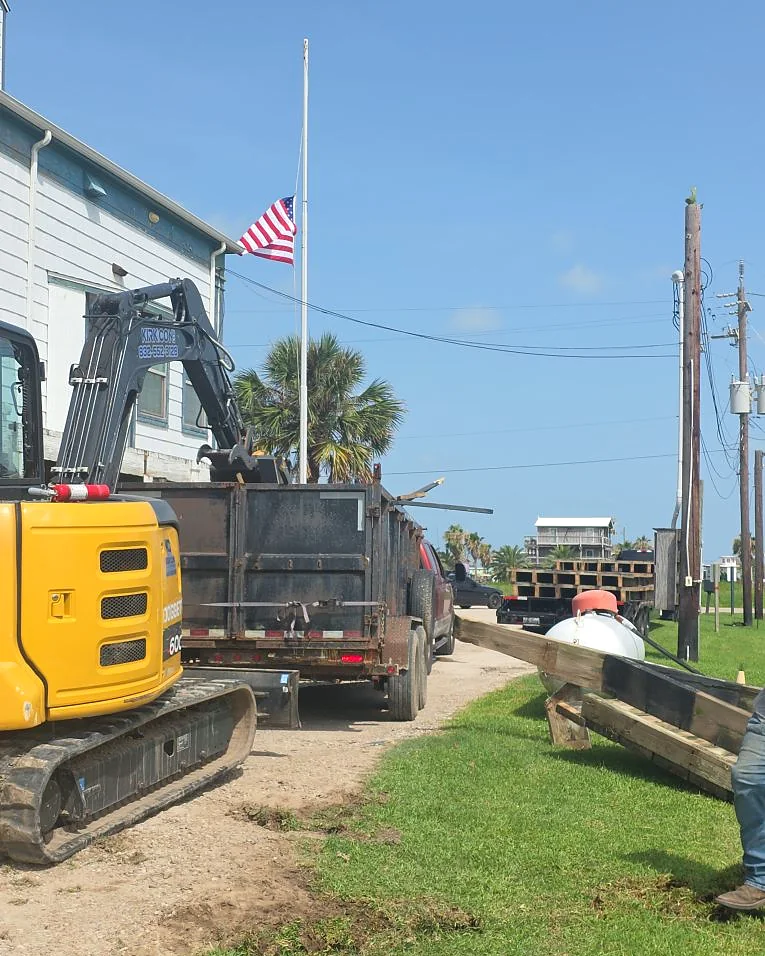
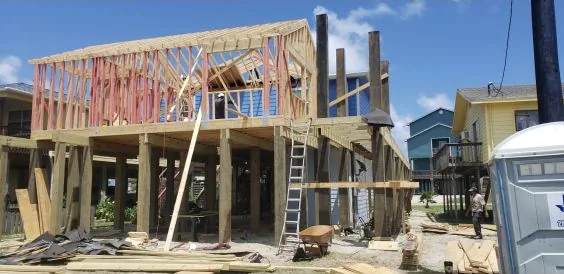
Piling installation across the Texas Gulf Coast.

Timber pile driving, piling replacement, and elevated foundation support for coastal homes and structures in Brazoria County and Southeast Texas. We do it right, the first time!

Our own crew, our own equipment

Piling work is not something we subcontract out. Kirk Con LLC runs its own auger and pile driving equipment, and the crew on your property is our crew. That matters on the coast, where access is tight, tides and weather move the schedule, and the difference between a foundation that lasts thirty years and one that fails is what happens below the ground line.

We install new pilings for elevated homes, replace failing pilings under existing structures, and set piles for additions, decks, walkovers, boat houses, and pole barns. Every job starts with a look at your soil, your access, and what the structure above the piles actually has to carry.

Pilings we install

  • Treated timber pilings — square and round preservative-treated wood, the most common choice for elevated homes on the Texas coast
  • Concrete pilings — where higher loads or longer service life justify the added cost
  • Steel pilings — for specialized structural and marine applications
  • Piling replacement — new piles set under a standing structure with temporary shoring and controlled load transfer
  • Structural work above the piles — beams, framing, bracing, and decking tied into the new foundation

Building to coastal code

Homes in designated coastal high hazard areas cannot sit on a closed foundation. FEMA guidance calls for deeply embedded open foundations built from piles or columns, so that floodwater, waves, and debris pass beneath the structure instead of loading a solid wall. Those piles have to be embedded deep enough to carry the design loads after a storm has scoured away the soil around them.

Locally, Brazoria County requires the lowest floor of new residential construction in a flood hazard area to be elevated above the base flood elevation, with additional freeboard on top of the FEMA number. Coastal property owners who want windstorm insurance also need a Texas Department of Insurance certificate of compliance, which depends on inspection during construction rather than after the fact.

None of this is paperwork we hand back to you. We plan the work around the permits and inspections your project needs, and we schedule so an inspector can see the work at the stage it has to be seen.

Serving the Southeast Texas coast

We work across three coastal counties. In Brazoria County that means Lake Jackson, Surfside Beach, Freeport, Quintana, Clute, Angleton, Oyster Creek, Jones Creek, and Richwood. In Galveston County we cover Galveston Island, Crystal Beach, Port Bolivar, and the rest of the Bolivar Peninsula. In Matagorda County we cover Sargent, Matagorda, Palacios, and Bay City. If you are not sure whether your address is in our area, call and ask.
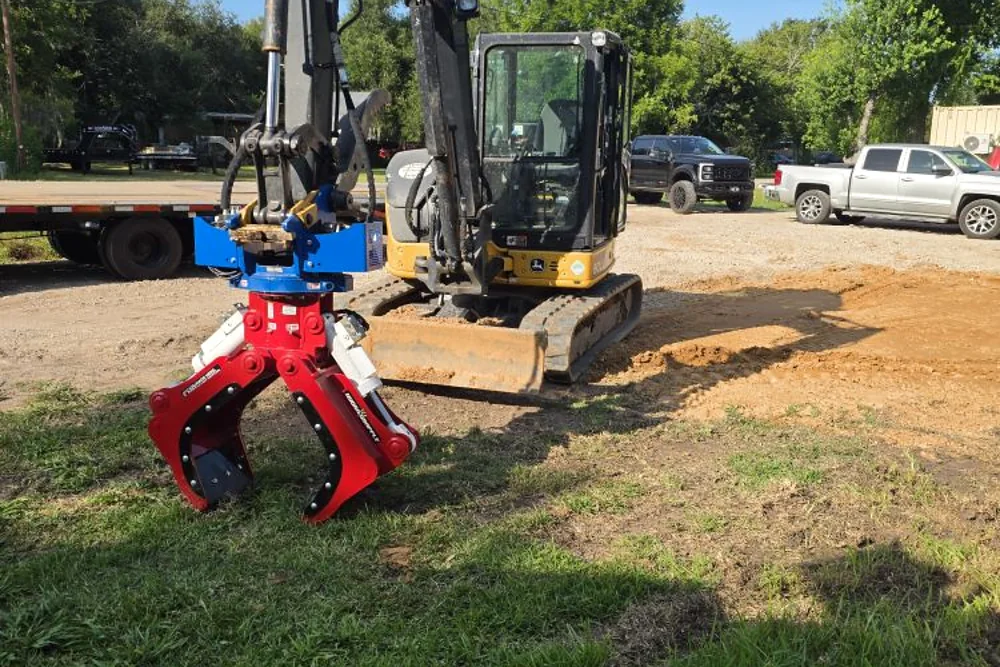
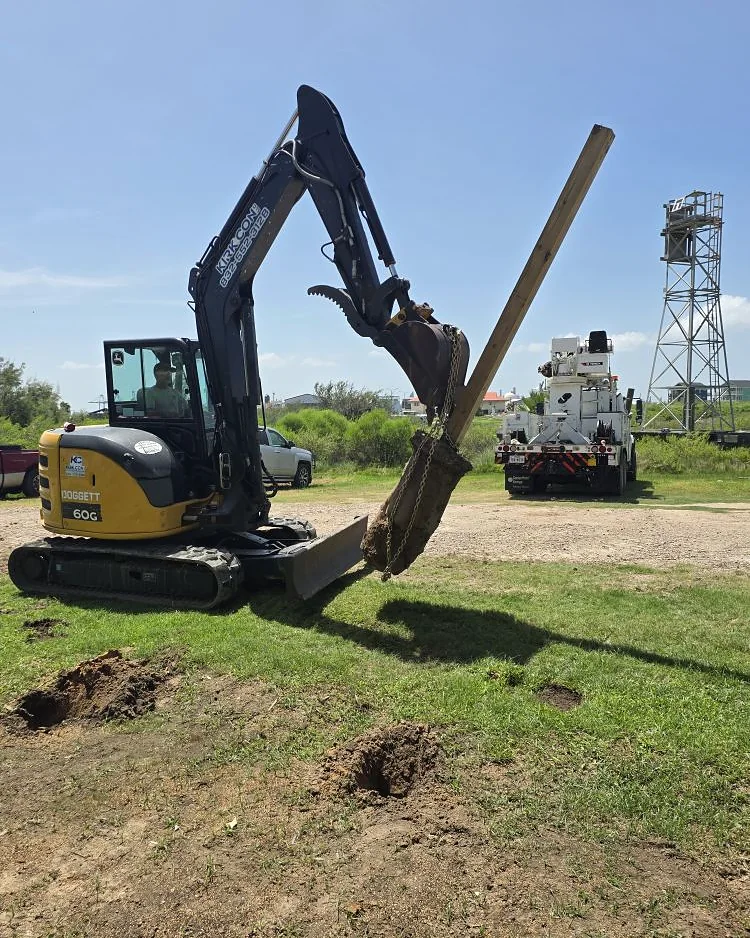
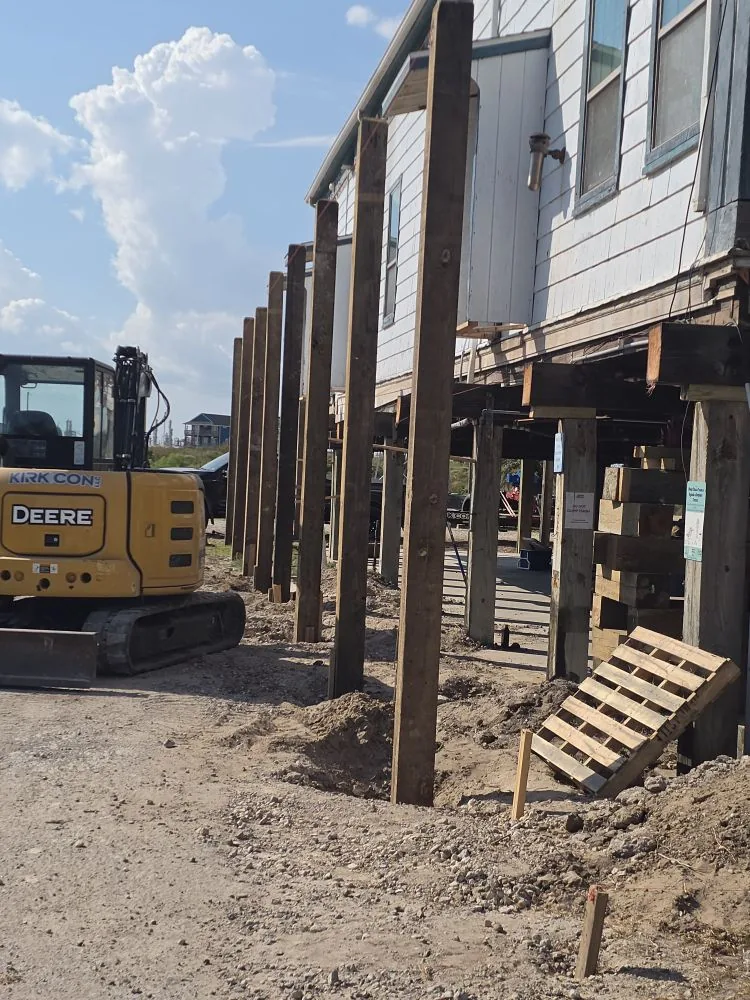
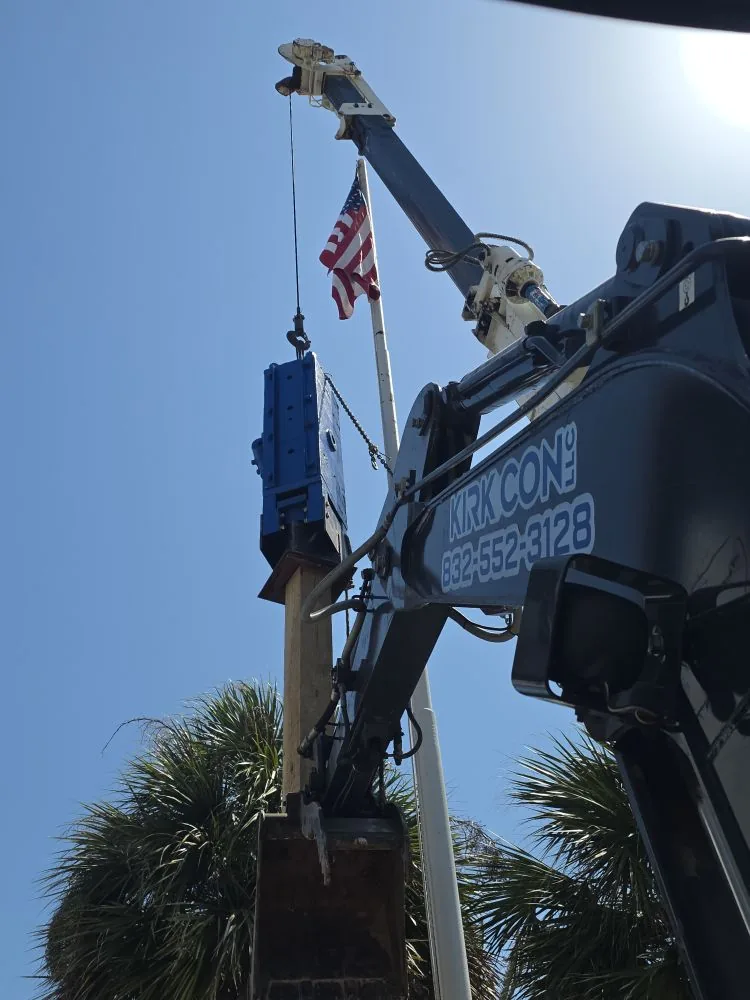
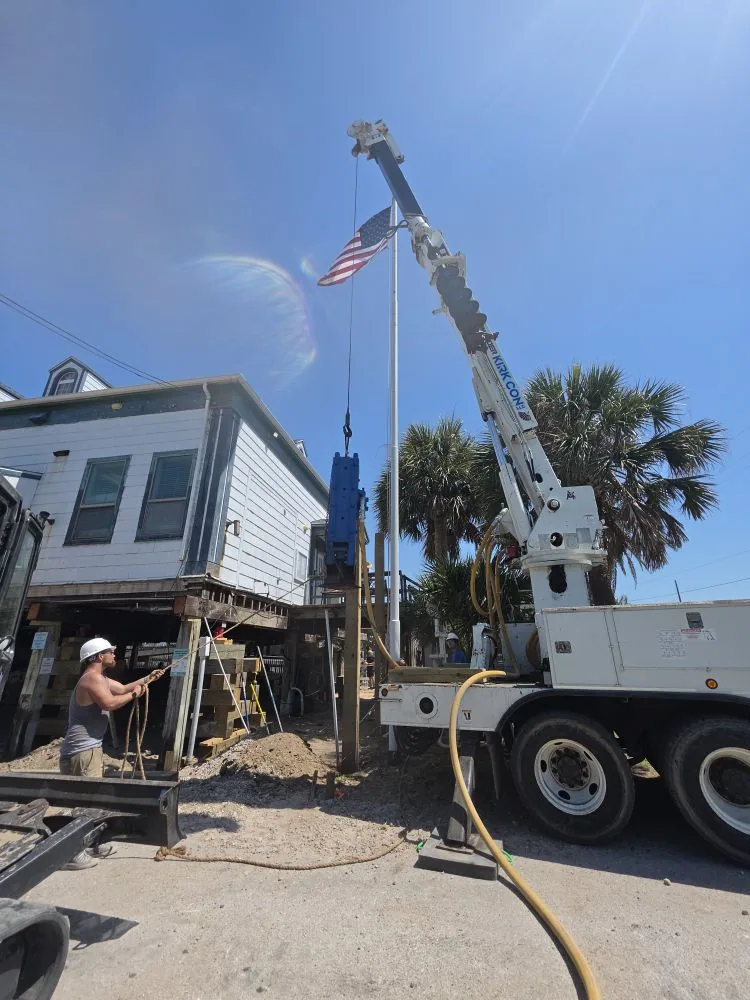
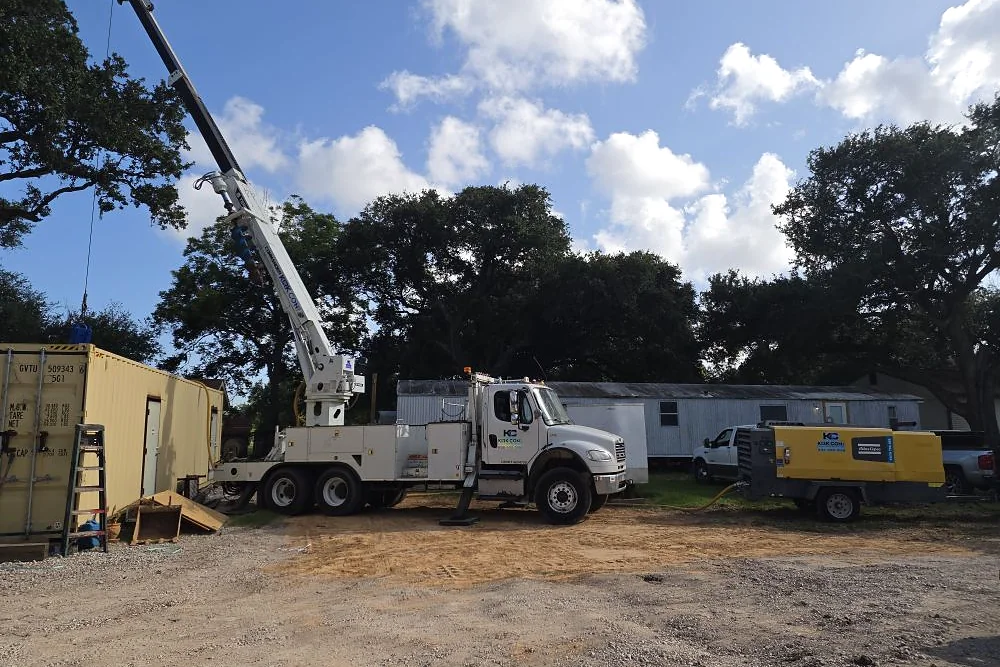
Piling work in the field

Recent pile driving and coastal foundation projects from our crew along the Brazoria County coast.

How a piling job runs

Coastal foundations leave little room for guesswork. Here is the sequence we follow on every piling project, so you know what happens next and who is responsible.

  1. 01

    Site review

    We walk the property to assess soil, drainage, scour exposure, overhead lines, and whether our equipment can physically reach the pile locations.

  2. 02

    Layout and permits

    Pile count, spacing, and embedment are set against the loads above and the elevation your flood zone requires. We confirm the permits your project needs.

  3. 03

    Driving the piles

    Piles are augered or driven to the specified depth and checked for plumb and bearing as they go down. Depth is verified in the field, not assumed.

  4. 04

    Cut-off and framing

    Piles are cut to elevation and tied together with beams and bracing, giving the structure above a level, square, load-bearing platform.

  5. 05

    Inspection and handoff

    We schedule around required inspections, clean the site, and walk the finished foundation with you before the next trade starts work.

Piling questions, answered

Straight answers to what coastal property owners ask us most.

How deep do pilings need to be driven?

It depends on your soil, the loads above, and the scour expected at your site. FEMA guidance for coastal high hazard areas calls for piles embedded deeply enough to resist design vertical and lateral loads after a storm has eroded the soil around them. There is no single number that applies to every lot, which is why we evaluate soil and access before quoting rather than after.

What type of pilings do you install?

Mostly preservative-treated timber, square or round, which is the standard for elevated homes along the Texas coast. Concrete and steel piles suit heavier loads and specialized marine work. We recommend the type that fits your structure, your soil, and your budget, and we tell you honestly when the cheaper option is the right one.

Do I need a permit or a windstorm inspection?

Coastal construction in Brazoria County generally requires a floodplain development permit, and structures in flood hazard areas must meet elevation requirements above the base flood elevation. If you want windstorm insurance on a coastal property, you also need a Texas Department of Insurance certificate of compliance, which depends on inspection during construction. We plan the schedule around those inspections.

Can you replace pilings under an existing house?

Yes, and it is a good share of what we do. Replacement under a standing structure means temporary shoring, controlled load transfer, and setting the new piles before the old supports come out. It is common on older coastal homes where timber has decayed at the ground line or storm scour has undermined the original foundation.

How long does piling installation take?

A set of piles for a deck or small addition is often a one or two day job. A full elevated home foundation takes longer, driven by pile count, depth, soil, site access, and weather. You get a schedule along with your estimate, and we tell you when weather moves it.

What areas do you serve for piling work?

Three coastal counties. In Brazoria County: Lake Jackson, Surfside Beach, Freeport, Quintana, Clute and Angleton. In Galveston County: Galveston Island, Crystal Beach, Port Bolivar and the Bolivar Peninsula. In Matagorda County: Sargent, Matagorda, Palacios and Bay City. Call (832) 552-3128 to confirm we cover your address.

Do you work on lots with tight access?

Frequently. Coastal lots are narrow, neighbors are close, and overhead lines complicate boom work. Access is one of the first things we look at during the site review, because it determines which equipment we bring and how the piles get set.